In today’s competitive health and wellness market, launching a private label supplement brand is one of the most effective ways for distributors, e-commerce sellers, and wholesalers to create long-term value. However, many international buyers—especially those sourcing from China—are unsure where to start, what pitfalls to avoid, and how to ensure product success.
This guide provides a step-by-step overview of how to build a successful supplement brand through health supplement OEM services, covering strategy, product selection, compliance, and supplier collaboration.
Understanding the Private Label Supplement Opportunity
The global demand for dietary supplements continues to grow, driven by increasing consumer awareness of health, immunity, and preventive care. Categories such as collagen powders, vitamin gummies, and herbal capsules are especially popular across North America and Europe.
For B2B buyers, private label manufacturing allows you to enter this market without building your own production facility. By partnering with an experienced OEM factory, you can customize formulations, packaging, and branding while maintaining cost efficiency.
Step 1: Identify Your Target Market and Niche
Before starting product development, it is essential to define your target audience and niche.
Ask yourself:
Who are your customers? (e.g., athletes, seniors, beauty-conscious consumers)
What problem are you solving? (e.g., immunity support, weight management, sleep improvement)
Which sales channel will you use? (Amazon, Shopify, retail distribution)
A clear market focus helps guide every decision in the health supplement OEM process, from ingredient selection to packaging design.
Step 2: Choose the Right Product Format
Different supplement formats serve different market needs. The most common OEM options include:
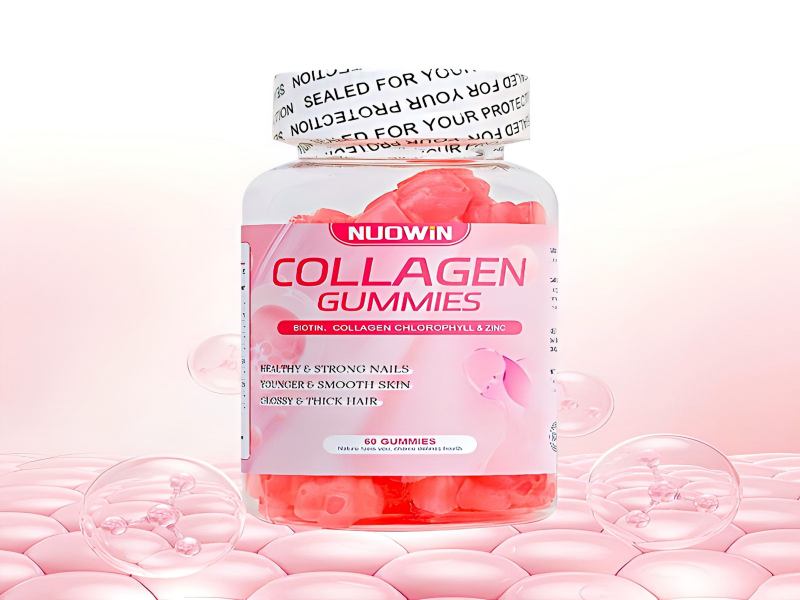
Gummies: জনপ্রar for their taste and ease of consumption, ideal for vitamins and beauty supplements
Capsules and softgels: Suitable for precise dosage and traditional supplement users
Powders: लोकप्रिय in fitness and nutrition markets, often used for collagen, protein, or superfoods
Selecting the right format depends on your brand positioning and target audience preferences. For example, gummy supplements are highly attractive for younger consumers, while capsules are often preferred in more clinical markets.
Step 3: Develop a Competitive Formula
Product differentiation is key to standing out in a crowded market.
You can either:
Provide your own formula based on market research
Work with the factory’s R&D team to develop a customized formula
Experienced OEM manufacturers often have proven formulations that align with current trends, such as immune support blends, detox formulas, or beauty-from-within supplements.
It is important to balance innovation with compliance, ensuring that all ingredients are permitted in your target market.
Step 4: Design Packaging That Sells
Packaging is not just about protection—it is a critical marketing tool.
Key considerations include:
Bottle vs sachet vs blister packaging
Label design and brand identity
Compliance with labeling regulations (ingredients, dosage, warnings)
For e-commerce channels, packaging should also be optimized for shipping durability and visual appeal in online listings.
A professional OEM partner can assist with packaging recommendations and help ensure your product meets both functional and regulatory requirements.
Step 5: Understand Pricing and Cost Structure
Many buyers underestimate the complexity of supplement pricing.
Typical cost components include:
Raw materials (active ingredients)
Manufacturing and labor
Packaging materials
Customization (flavor, color, design)
Logistics and shipping
MOQ (minimum order quantity) usually ranges from 200 to 1000 units, depending on the product type and customization level.
Working with a transparent supplier helps you optimize costs without compromising quality.
Step 6: Confirm Certifications and Compliance
Compliance is one of the most critical aspects of international supplement trade.
Reliable OEM factories should provide certifications such as:
ISO 9001 (quality management)
HACCP (food safety control)
ISO 22000 (food safety management system)
Depending on your target market, you may also need additional documentation such as COA (Certificate of Analysis) or third-party testing reports.
Ensuring compliance early in the process can prevent costly delays or customs issues later.
Step 7: Request and Evaluate Samples
Before mass production, always request samples.
This allows you to evaluate:
Product quality and consistency
Taste and texture (especially for gummies and powders)
Packaging appearance
Sample production typically takes 1–2 weeks. Although sample fees may apply, they are often refundable upon placing a bulk order.
Step 8: Plan Production and Lead Time
Timing is crucial, especially for seasonal products or promotional campaigns.
A standard OEM timeline includes:
Formula confirmation: a few days
Sample approval: 1–2 weeks
Mass production: 3–4 weeks
Overall, you should plan for approximately 4–6 weeks before shipment.
Clear communication with your supplier ensures smooth production scheduling.
Step 9: Arrange Logistics and Shipping
Shipping strategy depends on your budget and urgency.
For large orders, sea freight is the most cost-effective option. For example, shipping from Henan, China to Europe typically takes around two months.
For smaller or urgent shipments, air freight offers faster delivery but at a higher cost.
An experienced OEM supplier can help coordinate logistics and recommend reliable shipping solutions.
Step 10: Build a Long-Term Supplier Relationship
Finally, choosing the right OEM partner is not just about one order—it is about long-term collaboration.
A reliable supplier should offer:
Consistent product quality
Flexible customization options
Responsive communication
Support for scaling your business
Strong partnerships allow you to expand your product line, improve efficiency, and stay competitive in the global supplement market.
Conclusion
Building a successful private label supplement brand requires careful planning, market understanding, and the right manufacturing partner. By following a structured approach—from niche selection to logistics—you can minimize risks and maximize your chances of success.
Health supplement OEM services provide a powerful pathway for international buyers to enter and grow in the wellness industry. With the right strategy and supplier support, you can turn your product idea into a scalable and profitable business.